Does Supply Chain Impact WordPress Site Performance?

The performance of your WordPress site can meaningfully affect your business’s success. One factor that often goes unnoticed is the supply chain behind it, and how it affects website functionality. So the question comes up: does supply chain impact WordPress site performance? Yes. A well-optimized supply chain can improve your site’s loading speed, uptime, and overall user experience. Here’s how different elements of the supply chain influence your WordPress site, with actionable ways to improve performance.

Understanding the Supply Chain in the Digital Context
First, let’s clarify what we mean by the supply chain in the context of a WordPress site. It refers to the various components and processes that contribute to delivering your website’s content to users. This includes:
- Hosting Provider: Where your website files are stored and served.
- Content Delivery Network (CDN): A system that distributes your site’s static content across multiple servers worldwide to improve load times.
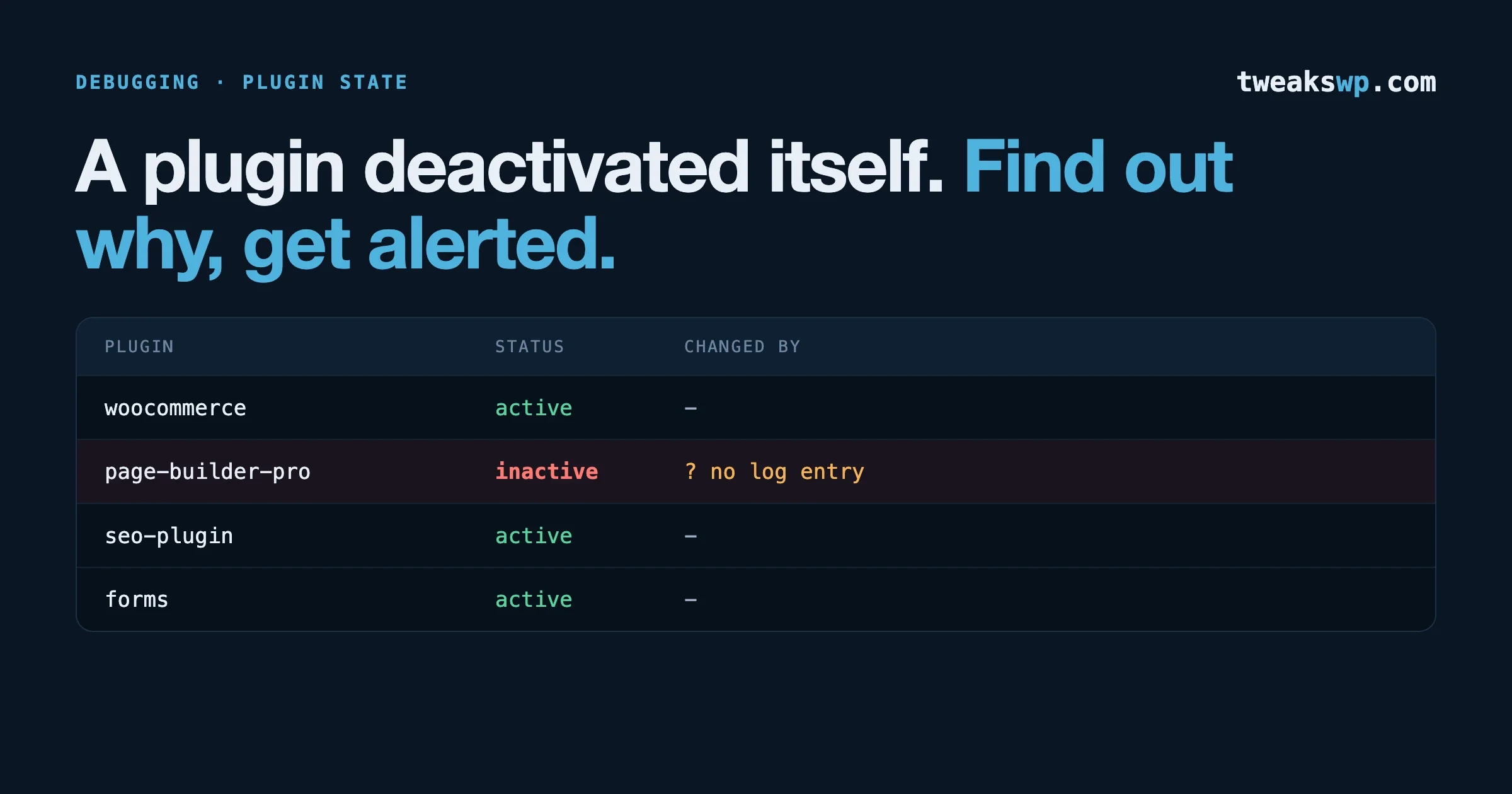
- Plugins and Themes: The additional tools and designs that enhance your website’s functionality and appearance.
- Development Practices: How your site is built, including coding standards, resource optimization, and security measures.
Each of these plays a role in how quickly and reliably your site performs. Here’s how each one affects performance, and your overall supply chain efficiency.
1. The Role of Hosting Providers
Your choice of hosting provider is one of the biggest factors in your WordPress site’s performance. Here’s how it impacts your supply chain:
a. Server Quality and Uptime
Not all hosting providers are created equal - the quality of their servers, infrastructure, and support varies significantly. A reputable hosting provider will offer:
- High Uptime Rates: Aim for a provider with a 99.9% uptime guarantee. Downtime can mean lost traffic and revenue, affecting your site’s performance and reputation.
- Optimized Servers: Look for hosting solutions built for WordPress. Managed WordPress hosting, for example, often includes caching, automatic updates, and optimized server configurations that improve performance.
b. Geographic Location
The physical location of your hosting servers also affects load times. If your servers are far from your target audience, expect longer loading times. Consider:
- Choosing a Local Hosting Provider: If your audience is mostly in one region, pick a hosting provider with servers in that area to reduce latency.
- Using a CDN: A Content Delivery Network can bridge the gap by caching your site’s content on servers close to your users, reducing load times.
2. The Impact of Content Delivery Networks (CDNs)
A CDN plays a real role in your website’s supply chain by distributing your content across multiple servers worldwide. Here’s how it helps:
a. Faster Load Times
CDNs store cached versions of your website on servers in various geographical locations. When a user requests your site, they get served the cached version from the nearest server, which means faster load times.
b. Reduced Server Load
By distributing traffic among various servers, a CDN reduces the load on your primary server. This speeds up your site and lowers the chance of crashes during high-traffic periods.
c. Improved Security
Many CDNs offer security features like DDoS protection and secure SSL certificates. That extra layer of security helps keep your site available and secure, which matters for user trust.
3. Plugins and Themes: Enhancing or Hindering Performance?
Plugins and themes are core to the WordPress experience, but they can also hurt your site’s performance if not managed well. Here’s how they fit into the supply chain:
a. Quality Over Quantity
Plugins add functionality, but too many poorly coded or outdated plugins can slow your site down. To keep performance solid:
- Limit the number of plugins - use only the ones that genuinely enhance your site’s functionality.
- Choose well-coded plugins - look for good reviews and regular updates.
b. Theme Optimization
Your theme affects both the design and performance of your site. A poorly built theme leads to slow load times. To optimize theme performance:
- Select lightweight themes built for speed and efficiency.
- Keep your theme updated for compatibility with the latest WordPress version and security standards.
4. Development Practices and Their Influence
How your WordPress site is developed can significantly affect its performance and security. A few key considerations:
a. Coding Standards
Well-structured, efficient code is essential for good performance. Poor coding practices lead to slow load times and increased server load. To improve performance:
- Follow Best Coding Practices: Stick to WordPress coding standards and guidelines.
- Optimize Resources: Minimize CSS and JavaScript files, and use asynchronous loading where possible.
b. Regular Maintenance
Regular maintenance keeps your site performing well. This includes:
- Updating WordPress Core: Always keep your WordPress installation up to date for performance improvements and security patches.
- Database Optimization: Periodically clean up your database by removing unused data, such as spam comments and old revisions, to improve speed.
5. The Importance of Monitoring and Analytics
Monitoring your website’s performance is essential for spotting areas that need improvement. Here’s how to track it effectively:
a. Use Analytics Tools
Use tools like Google Analytics or Jetpack to monitor site traffic, user behavior, and performance metrics. This data helps you understand how supply chain components impact your site.
b. Performance Testing
Regularly test your site’s speed using tools like GTmetrix or Pingdom. These give you insight into load times and bottlenecks, so you can make informed decisions about optimizing your supply chain.

So, Does It Impact Performance?
Yes. From your hosting provider and CDN to plugins, themes, and development practices, every part of your supply chain contributes to how your website performs. Understand these pieces and optimize them, and you’ll see real gains in loading speed, uptime, and overall user experience.
Interesting Reads:
Do Plugins Have Shortcodes in WordPress? Find Out Here!
Plugins we build and run
We maintain these ourselves, which is why we can support them on your site.
- BuddyNextThe self-hosted community engine for WordPress
- BuddyXFree community theme, Pro when you outgrow it
- ReignPremium community theme. Add pieces, build anything
- JetonomyCommunity forum and Q&A for WordPress
- EventonomyEvents and RSVPs for WordPress communities
- LearnomyCourses and learning communities on WordPress
- ListoraDirectories and listings your members can browse
- SnipShareCode sharing built for developer communities
- WB Ad ManagerAd placements that turn traffic into revenue
- WP Career BoardA job board your community actually uses
- WP Sell ServicesSell services with offers, orders, and payouts
- MediaVersePhotos, video, and media albums for members
- WB GamificationPoints, badges, and rewards that keep members active
- Product RoadmapPublic roadmaps with voting your users trust