Do Plugins Have Shortcodes in WordPress?

If you’ve been exploring WordPress for a while, you might have come across the term “shortcode” and wondered: do plugins have shortcodes in WordPress? Understanding shortcodes is essential for anyone looking to get more out of their site. Here’s what shortcodes are, how plugins use them, and how to use them well.

What Are Shortcodes?
Before we tackle the question of whether plugins have shortcodes in WordPress, let’s first define what shortcodes are. Introduced in WordPress 2.5, shortcodes are snippets of code that let users add dynamic content to posts and pages without writing HTML or PHP. They’re simple, user-friendly, and make building and maintaining a site a lot easier.
Shortcodes are typically enclosed in square brackets, like this: [example_shortcode]. When you place a shortcode in your content, WordPress processes it and replaces it with the corresponding output. For instance, a gallery shortcode displays the actual gallery rather than the code itself. This lets users add functionality quickly, which is part of what makes WordPress such a flexible content management system.
Do Plugins Have Shortcodes in WordPress?
Now, let’s address the question directly: do plugins have shortcodes in WordPress? Yes. Many WordPress plugins create shortcodes so users can add specific features to their site easily. Here’s how this works:
- Custom Shortcodes: When you install a plugin, it often comes with its own set of shortcodes. For example, a contact form plugin may provide a shortcode like [contact-form-7 id=”123″] that you can place in a post or page to display the contact form.
- Simplicity and Accessibility: Shortcodes make complex functionality accessible to users who may not have programming skills. Instead of writing custom code for features like sliders, galleries, or forms, users can simply use the provided shortcode.
- Flexibility: Many plugins let you customize shortcodes with attributes, giving you control over how the feature appears. For instance, a gallery shortcode might let you specify the number of columns or include captions.
- Integration: You can often use multiple plugins at once. For example, you could use a shortcode for a slider alongside a shortcode for a gallery within the same post.
Finding Available Shortcodes
If you’re curious about which shortcodes are available from the plugins you’ve installed, here are some ways to find out:
- Plugin Documentation: Most reputable plugins come with documentation that outlines the available shortcodes. This is your best resource for understanding how to implement them.
- Settings Page: Some plugins provide a settings page in your WordPress dashboard, listing all available shortcodes along with usage examples.
- Support Forums: If you’re unsure about a specific shortcode, the WordPress support forums are a good resource. You can ask questions and get answers from plugin developers and other experienced users.
- Code Inspection: If you have some coding knowledge, you can look at the plugin’s code to see if it defines any shortcodes, which gives you a deeper understanding of the parameters available.
How to Use Shortcodes Effectively
To make the most of shortcodes on your WordPress site, keep these tips in mind:
- Experiment in a Safe Environment: If you’re trying out new shortcodes, use a staging site or a local environment first. This lets you see how they affect your layout without touching your live site.
- Keep Your Content Clean: Avoid cluttering your posts with too many shortcodes. While handy, overusing them can lead to messy content that’s hard to manage.
- Use Shortcodes in Widgets: Some WordPress themes let you use shortcodes in widget areas, a good way to add functionality to a sidebar or footer without extra plugins.
- Avoid Conflicts: If multiple plugins offer similar shortcodes, conflicts can arise. Be mindful of this and use unique shortcodes where possible.
- Use the Available Attributes: Many plugins let you customize shortcodes using attributes. For example, a gallery shortcode might let you specify which gallery to display or how many columns to use. Check the documentation to see what options are available.
Common Use Cases for Shortcodes
Knowing where and how to use shortcodes helps you get more out of them. Here are some common use cases:
- Contact Forms: Contact form plugins often provide shortcodes to display forms on any page or post, making it easy to gather leads or feedback from visitors.
- Galleries and Media: Shortcodes can display image galleries, video embeds, or audio files without extra setup, particularly useful for photographers, artists, and musicians showcasing their work.
- Buttons and Calls to Action: You can create buttons or calls to action using shortcodes, helping drive traffic to specific pages, products, or services on your site.
- Sliders and Carousels: Shortcodes for sliders let you create dynamic content sections that showcase multiple pieces of content.
- Custom Post Types: Some plugins enable shortcodes for displaying custom post types, useful for businesses offering various services or products.
Examples of Popular Plugins That Use Shortcodes
Here are some popular WordPress plugins that offer shortcodes:
- Contact Form 7: This widely-used plugin lets you create contact forms easily and provides shortcodes to embed them anywhere on your site, making it a favorite for lead generation.
- Slider Revolution: Known for its slider-creation features, Slider Revolution offers shortcodes to integrate custom sliders into posts and pages.
- WPBakery Page Builder: This page builder plugin uses shortcodes to let users create complex layouts and designs visually without touching a line of code.
- Yoast SEO: While primarily an SEO plugin, Yoast also offers shortcodes to display SEO-related information, such as a breadcrumb navigation trail.
- WooCommerce: If you’re running an eCommerce store, WooCommerce provides shortcodes for displaying products, categories, and other elements on your site.
Troubleshooting Shortcode Issues
Sometimes shortcodes don’t work as expected. Here are common problems and their solutions:
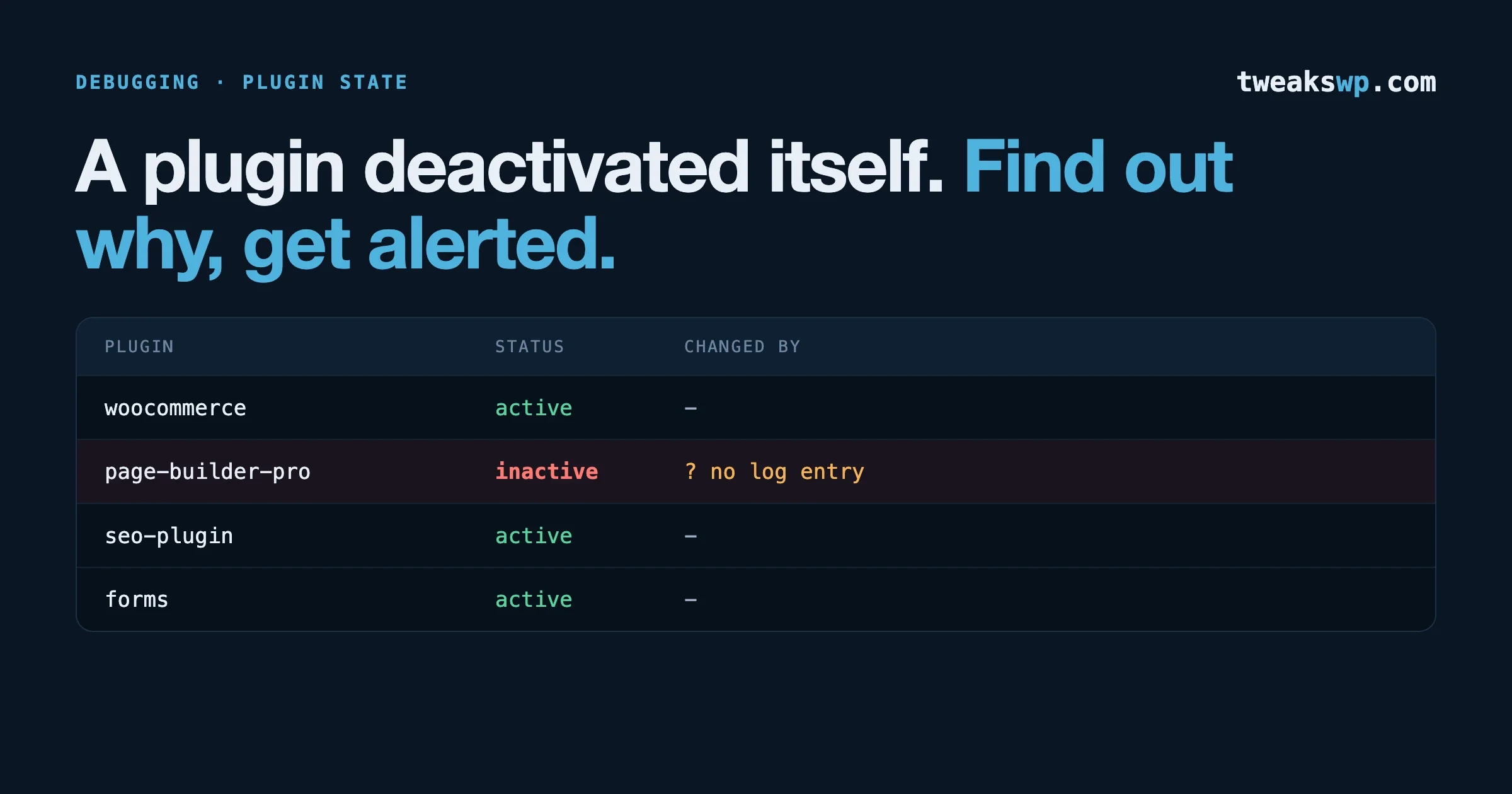
- Shortcode Not Recognized: If WordPress isn’t recognizing your shortcode, make sure the plugin is activated and that the shortcode is typed correctly, including any needed attributes.
- Conflicting Plugins: If two plugins provide similar shortcodes, conflicts may occur. Try deactivating one of the plugins to see if it resolves the issue.
- Theme Compatibility: Some themes don’t fully support shortcodes, especially if they rely heavily on page builders. If you run into problems, consider a theme known for shortcode compatibility.
- Caching Issues: If you’re using a caching plugin, shortcode changes might not show up right away. Clear your cache and refresh the page to see the latest updates.
- Error Messages: Error messages related to shortcodes are usually down to incorrect usage or a conflict with another plugin. Checking the documentation and asking in support forums can help.
So, Do Plugins Have Shortcodes?
Yes; shortcodes are a genuinely useful tool that extend what your WordPress site can do, letting you add complex features quickly without writing code. Once you understand how to use them well, they make building a dynamic, engaging site a lot more straightforward.
Interesting Reads:
Can You Make a Living WordPress Upwork? Tips and Insights!
Plugins we build and run
We maintain these ourselves, which is why we can support them on your site.
- BuddyNextThe self-hosted community engine for WordPress
- BuddyXFree community theme, Pro when you outgrow it
- ReignPremium community theme. Add pieces, build anything
- JetonomyCommunity forum and Q&A for WordPress
- EventonomyEvents and RSVPs for WordPress communities
- LearnomyCourses and learning communities on WordPress
- ListoraDirectories and listings your members can browse
- SnipShareCode sharing built for developer communities
- WB Ad ManagerAd placements that turn traffic into revenue
- WP Career BoardA job board your community actually uses
- WP Sell ServicesSell services with offers, orders, and payouts
- MediaVersePhotos, video, and media albums for members
- WB GamificationPoints, badges, and rewards that keep members active
- Product RoadmapPublic roadmaps with voting your users trust