Are WordPress Hooks Coding Mechanisms?
In WordPress development, “hooks” are a concept every developer eventually has to understand. But are they actually coding mechanisms in their own right, or just a convention? To answer that, it helps to look at what hooks are, how they function, and why they matter so much in WordPress development.

What Are WordPress Hooks?
WordPress hooks are essential tools that let developers modify or extend WordPress functionality without touching the core files. They act as points in WordPress’s execution process where custom code can be “hooked in” to run additional functionality or change existing behavior. There are two primary types: actions and filters.
Also Read: How to Restore WordPress Category
What Are Action Hooks?
Action hooks let developers run custom code at specific points during WordPress’s execution. For instance, you might use one to add a custom widget to a sidebar, insert custom content into a post, or perform a task when a post is published.
When you use an action hook, you’re telling WordPress: “At this specific point, run this custom function.” Action hooks don’t alter content or data on their own; they just execute code.
Example of an Action Hook:
// Add a custom message after post content
function add_custom_message_after_post($content) {
    if (is_single()) {
        $content .= '<p>This is a custom message added after the post content.</p>';
    }
    return $content;
}
add_action('the_content', 'add_custom_message_after_post');
In this example, the add_custom_message_after_post function is hooked to the the_content action hook, which fires whenever a post’s content is displayed.
What Are Filter Hooks?
Filter hooks, on the other hand, let developers modify data before it’s used or displayed. Filters alter the content of posts, pages, or other data before it reaches the browser or database.
With a filter hook, you modify the data and return the altered version - useful for changing how content is displayed or stored.
Example of a Filter Hook:
// Modify the title of posts
function modify_post_title($title) {
    if (is_single()) {
        $title = 'Custom Prefix: ' . $title;
    }
    return $title;
}
add_filter('the_title', 'modify_post_title');
Here, the modify_post_title function is hooked to the the_title filter hook, which lets you modify a post’s title before it’s displayed.
How Do WordPress Hooks Work?
WordPress hooks operate through action and filter functions. As WordPress executes, it moves through various stages where it triggers hooks. Developers attach custom functions to these hooks, letting them modify or extend WordPress functionality at those points.
How Hooks Are Triggered
- Action Hooks: When an action hook fires, WordPress runs every function attached to it, in the order they were added.
- Filter Hooks: When a filter hook fires, WordPress passes data through every function attached to it. Each function can modify the data before passing it to the next function or the final output.
Also Read: How Do Hackers Mine WordPress for Admin Email Addresses?
Benefits of Using Hooks
1. Customization Without Altering Core Files: Hooks let developers add or modify functionality without changing WordPress core files, which matters for keeping a site upgradable and stable.
2. Extensibility: Hooks give themes and plugins a standard way to interact with and modify WordPress’s core functionality.
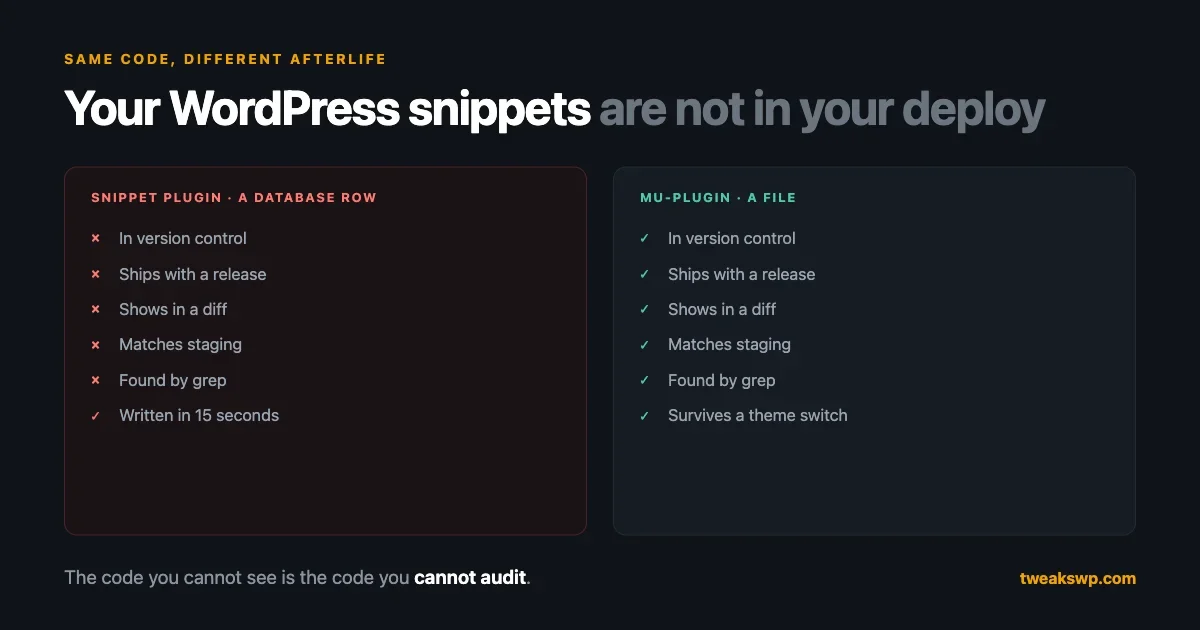
3. Modularity: Hooks keep code modular and organized. Custom functionality can live inside plugins or theme files, making it easier to manage and update.
4. Community and Collaboration: Hooks make it possible for plugins and themes built by different developers to interact with each other cleanly.
Practical Examples of Using Hooks
1. Adding Custom Content: Use action hooks to insert custom content into parts of your site, such as a banner or promotional message in the header or footer.
2. Modifying Content: Use filters to alter the content of posts or pages - for example, automatically appending a disclaimer to every post.
3. Customizing Admin Pages: Hooks can modify the WordPress admin interface: adding custom settings pages, changing existing ones, or extending the dashboard.

Hooks Are the Real Deal
WordPress hooks are genuine coding mechanisms, and an important one at that. They give you a flexible way to modify and extend WordPress functionality without touching core files. Understanding and using hooks well is a big part of building customized, functional WordPress sites while keeping the codebase clean and manageable.
Whether you’re adding new features, changing existing functionality, or building complex plugins and themes, hooks are a core part of the WordPress developer’s toolkit.
Interesting Reads:
What’s a Bold New Font Style Used in WordPress?