Best WordPress Backup Plugins Of 2019

Backing up your WordPress site regularly is one of the simplest things you can do for your site’s security. A solid backup routine protects you if your site gets hacked, or if you accidentally lock yourself out during an update. Some hosts include limited backup services, but most will tell you outright not to rely on them as your only safety net, keeping your own backups is ultimately your responsibility. Here are some WordPress backup plugins worth setting up if you don’t already have one running.
1) UpdraftPlus, WordPress Backup Plugin
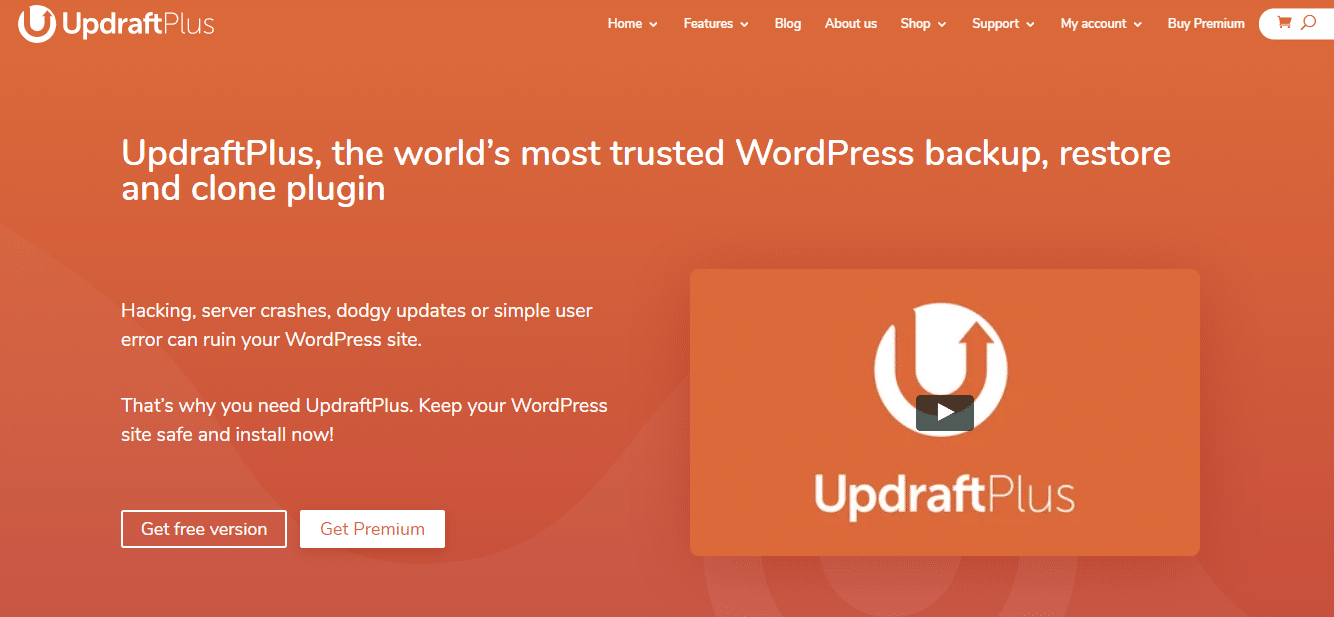
UpdraftPlus is one of the most widely trusted WordPress backup plugins, with a simple one-click restore and backup process on whatever schedule fits your site. It’s tested across a huge number of installs and consistently rated ahead of competing plugins, handling manual and scheduled backups of your database, themes, files, and plugins. Scheduling options range from every 4, 8, or 12 hours up to daily, weekly, fortnightly, or monthly.
Restoring files works directly from the WordPress control panel, and the migration feature lets you clone your site to a new domain or host without much hassle. Incremental backups only capture what’s changed since the last run, which saves time and storage, and expert support is available from the developers when you need it. Pre-update backups automatically run before any core, theme, or plugin update, and the plugin covers both WordPress and non-WordPress files alongside the database, restore included, which not every backup plugin offers.
2) BackupBuddy, WordPress Backup Plugin
BackupBuddy handles backup, migration, and restore for WordPress from a single dashboard, backing up your entire site (not just the database) with one click. Unlike plugins that only cover the database, BackupBuddy captures the complete WordPress installation, media library, themes, and plugins, packaged into a single downloadable zip. Remote storage integration automatically pushes backups to Amazon S3, Dropbox, Google Drive, or the plugin’s own Stash storage.
Email notifications confirm when a backup finishes, so you always know your site has a current copy saved. Automatic scheduling covers hourly, twice-daily, daily, weekly, and monthly options, and the bundled ImportBuddy tool restores your site to an earlier backup if something goes wrong, uploads, plugins, themes, and media library included. Moving to a new domain or URL is also handled through the plugin directly.
3) Multi Plugin Installer, WordPress Backup Plugin
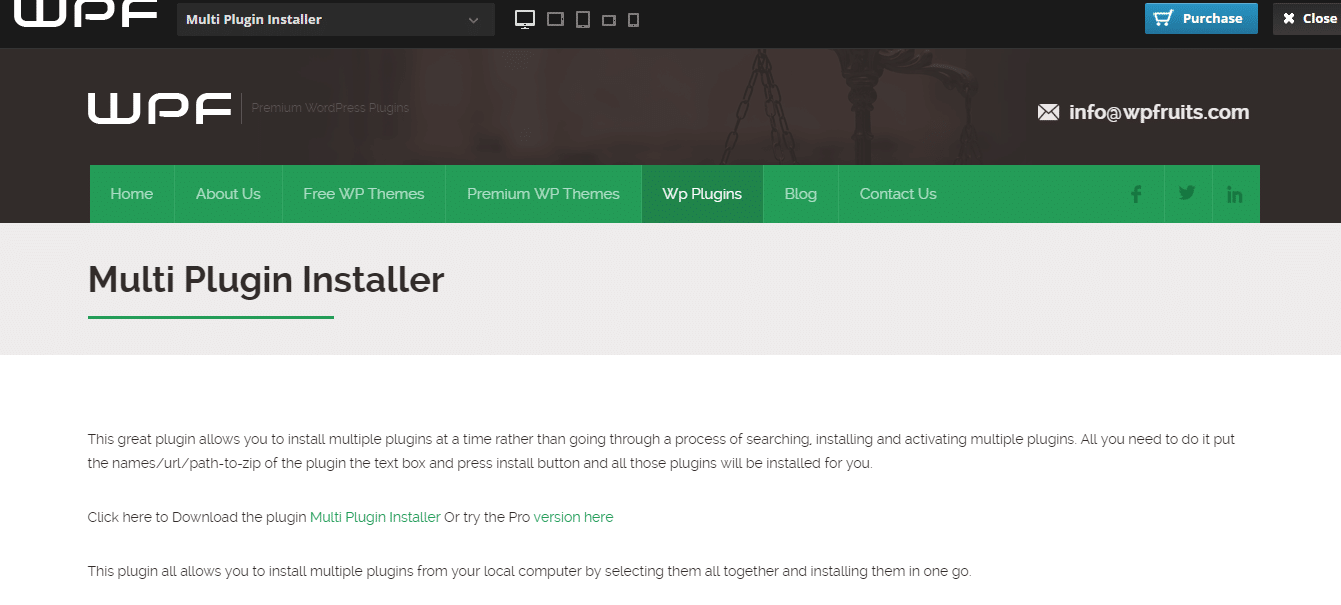
Multi-Plugin Installer takes a different angle: rather than backing up your whole site, it focuses specifically on backing up and restoring your installed plugins in bulk, with the option to back up all or just selected ones. Restore is one click, so you never lose plugin settings between site changes, and you can send backups directly to a client’s email or sync them to Dropbox for storage.
You can install new plugins by browsing a local file or entering a name, URL, or zip archive link, and imported MPI files install and activate in a single click. It works across Chrome, Firefox, Opera, Safari, and Edge, and the documentation walks through setup clearly enough that you shouldn’t need to touch any PHP directly.
Try Multi-Plugin Installer Now
4) Super Backup & Clone, WordPress Backup Plugin
Super Backup & Clone handles both backup and site migration in one plugin, packing more than 50 options into a single interface without requiring any specialized IT knowledge. Your entire site backs up in one click, and the plugin supports multiple cloud backup destinations depending on which storage service you already use, plus cross-server sync for safe migrations.

Three migration modes are supported: single site to multisite (moving an independent WordPress install into a slot on a multisite network), multisite to multisite (direct cloud migration between two multisite platforms), and multisite to single site (pulling one site out of a multisite network into its own standalone install).
5) VaultPress by Jetpack, WordPress Backup Plugin
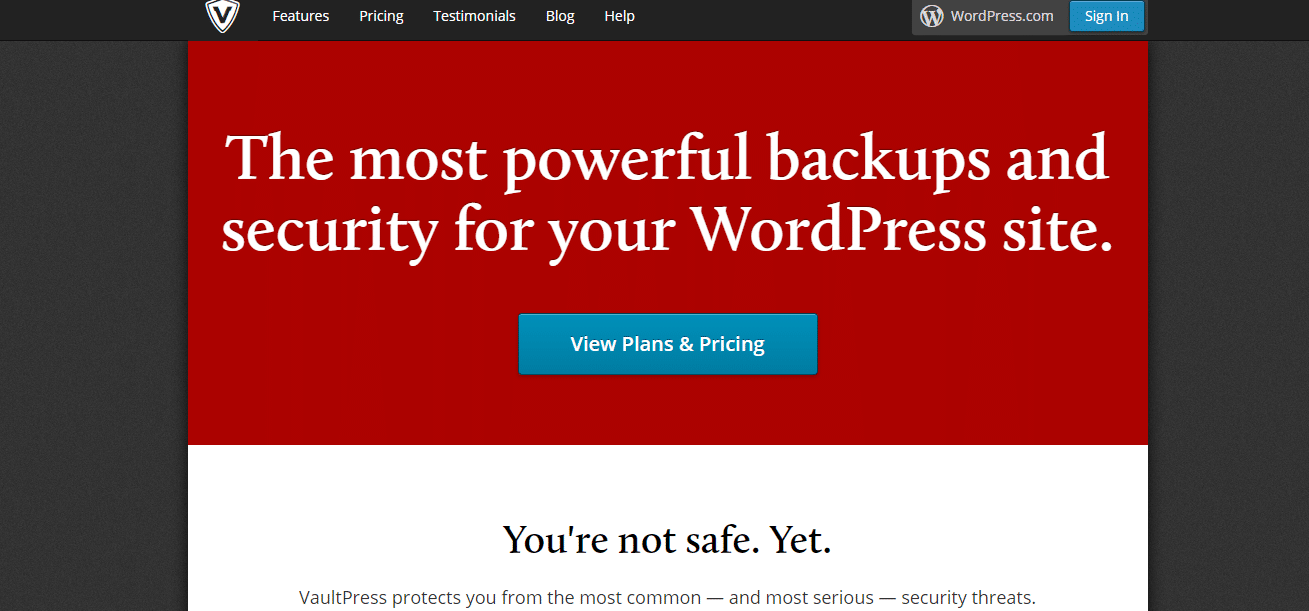
VaultPress by Jetpack combines backup with active security scanning, aimed at agencies, freelancers, and site owners who want more than just file snapshots. If something goes wrong, restores run without you having to touch your host, and the plugin also handles site duplication. It automatically detects malware, cleans up infected files, and flags other security issues before they become serious problems, while blocking spam that could hurt your SEO or reputation.
Restoring a backup takes a few minutes over SSH or FTP, either onto your live site or a staging copy. The plugin flags suspicious code changes and can auto-remediate the most common threats, alerting you with details when it does. Daily scans check your entire site for harmful files or unexpected changes, and you’ll get an email if anything looks off, with an activity log to review what the plugin has been doing behind the scenes.
6) Backup and Restore, WordPress Backup Plugin

Backup and Restore lets you schedule backups to your site’s own server or to cloud services like Amazon S3, Dropbox, or Google Drive, so recovering from a sudden crash doesn’t require manual intervention. You can back up specific files and folders rather than everything, clone your site to another server, and restore any past backup at any time. It’s a solid fit for bloggers, forums, job boards, portfolios, and community sites specifically.
Files and databases can be cloned separately without manually moving anything, useful if you’re duplicating a site for staging or testing. If your dashboard becomes completely inaccessible, a direct restore link (found in the plugin’s settings) gets you back in using a crash key. You can also download your full site as a local backup, restore from a zip file plus a SQL file for the database, and the plugin adds OneDrive integration alongside its existing cloud options. Backup reports and restore status are all visible from the dashboard.
7) My WP Backup Pro, WordPress Backup Plugin
My WP Backup Pro keeps setup simple while covering the ground more advanced users expect, including WP-CLI commands for running jobs or restores straight from the command line. You can set automated backups on a schedule and largely forget about them, or trigger a manual backup whenever you need one on demand. A differential backup option only captures what’s changed since the last run, saving both time and storage space, and large backups can be split into smaller volumes if you need to email them.
You can choose to back up just the database (useful for migrations), just the files, or everything together, and scheduling can be set for low-traffic hours like overnight. An FTP backup option pushes copies to another server, and you can have backups emailed to you directly. Archive format options include tar, tar.gz, tar.bz2, and zip, depending on what fits your workflow.
Picking a Backup Plugin
Every plugin here handles full-site file backup, restore, and database backup in some form, though the details differ. VaultPress stands out for larger sites because its incremental, near-real-time backups only capture what’s actually changed, rather than re-backing up the entire site on every run, which is easier on server resources at scale. For smaller or mid-sized sites where a recurring subscription doesn’t make sense, UpdraftPlus is the more commonly recommended free option, and it still covers cloud storage integrations, backup encryption, and encrypted transport.
One rule worth following regardless of which plugin you pick: never store your only backup copy on the same server as the live site. If that server’s hardware fails, gets compromised, or goes down entirely, your backup goes down with it. Storing copies on Google Drive, Dropbox, or Amazon S3 keeps them independent of your hosting. Hopefully this list helps you land on the right backup plugin for your site.
Plugins we build and run
We maintain these ourselves, which is why we can support them on your site.
- BuddyNextThe self-hosted community engine for WordPress
- BuddyXFree community theme, Pro when you outgrow it
- ReignPremium community theme. Add pieces, build anything
- JetonomyCommunity forum and Q&A for WordPress
- EventonomyEvents and RSVPs for WordPress communities
- LearnomyCourses and learning communities on WordPress
- ListoraDirectories and listings your members can browse
- SnipShareCode sharing built for developer communities
- WB Ad ManagerAd placements that turn traffic into revenue
- WP Career BoardA job board your community actually uses
- WP Sell ServicesSell services with offers, orders, and payouts
- MediaVersePhotos, video, and media albums for members
- WB GamificationPoints, badges, and rewards that keep members active
- Product RoadmapPublic roadmaps with voting your users trust