5 Email Marketing Trends For Business Marketing Strategy
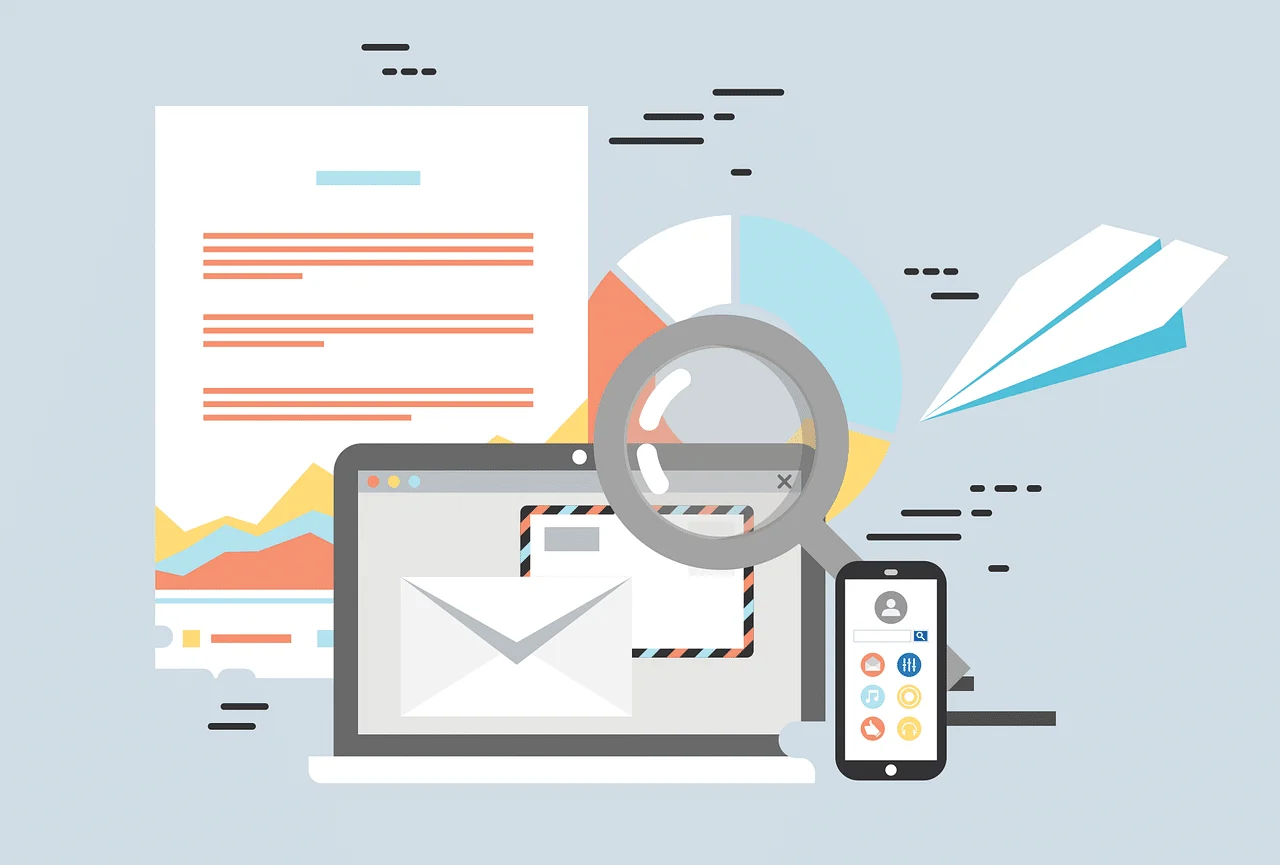
Roughly 3.5 billion people use email today, and that number is projected to hit 4.2 billion by 2021. Last year brought plenty of notable shifts to email marketing as the medium turned 40, from AMP for Gmail to mobile email finally hitting its long-awaited tipping point. As marketing budgets reset for the new year, it’s a good moment to refresh email programs and refocus on speed and quality of execution to keep up with what customers now expect. Consumer expectations for quality content keep climbing, generic email is quickly becoming a thing of the past, and marketers will need to lean on newer technology and discipline to keep pushing that bar. Programs that get more personalized and more conversational tend to build stronger brand loyalty and drive more revenue. Here are five email marketing trends worth watching.
1) Use of Artificial Intelligence-Email Marketing Trends

Customer data keeps piling up, making it harder than ever to make sense of manually. Salesforce’s State of Marketing research found the average number of data sources marketers work with is projected to jump from 10 in 2017 to 15 in 2019, a 50% increase in two years. Despite having more customer data than ever, many marketers are still struggling to make full use of it, in fact, only 45% report having a fully standardized view of customer data. AI helps here by spotting trends and connections across scattered data sources, checking subscriber and customer health, offering recommendations, and freeing up real time for marketers. A few categories of AI worth knowing:
1) Limited memory:- Systems that use past experience to inform future decisions.
2) Self-awareness:- Systems with some functional sense of self.
3) Theory of mind:- Understanding that others have their own intentions, beliefs, and desires that shape their decisions.
2) Email Personalization And Automation-Email Marketing Trends
Personalization and automation go hand in hand. You set up automated campaigns once, and they trigger based on subscriber behavior, an abandoned cart or abandoned browse email is a good example of both at once. A customer who doesn’t finish checkout gets an email featuring the exact product they left behind, along with a way to complete the purchase. With the right systems pulling in the right data, automation lets marketers build a genuinely personalized experience at scale, which tends to boost engagement and satisfaction and turn the subscriber-brand relationship into something less like spam.
Email personalization used to mean little more than inserting a recipient’s first name. Now, stronger marketing platforms and richer data support genuinely personalized messaging: with enough information available, brands can target customers with content and offers matched to their actual interests. The results back this up, 81% of brands report higher open rates from personalized emails. Expect that gap to widen further this year as the tools get more capable. Automated email marketing, as the name suggests, sends messages based on triggers or a schedule you define, rather than manually for every customer interaction. Most of these are transactional, “thank you for your order” or “your product has shipped,” sent automatically without a person behind each send.
3) GDPR and Data Security-Email Marketing Trends
The biggest story in email privacy over the past year was GDPR, the European Union’s data protection framework. It limits how marketers can collect and use data and gives customers real control over their personal information, putting long-standing tactics like purchasing email lists on shaky ground. One core GDPR requirement is active, affirmative consent, no pre-checked opt-in boxes, the customer has to genuinely opt in.

Getting real consent pays off since you’re emailing an audience that actually wants to hear from you and is likely to engage. With California passing similar legislation, expect more of this kind of regulation this year, alongside customers who are increasingly aware of their data rights. Overall, 2019 is about building unified, consumer-focused email campaigns, not just as a trend to follow, but as a genuinely better way to use customer data responsibly.
4) Design Cues from Social Media-Email Marketing Trends
Borrow what already works on social media and bring it into email design. What are subscribers actually engaging with on social? Which content gets the most likes? What makes someone act on a platform like Instagram, where liking, commenting, and buying all happen without pulling the user in ten directions at once? Good content stays focused on the action you want someone to take, and since a user chose to follow that feed in the first place, the content already reflects their actual interests. A few ways to bring that same discipline into email design:
1) Keep personalized content relevant.
2) Keep it visually clean.
3) Keep the focus squarely on the action you want the reader to take.
Put the action you want above the fold, lean on large, clean visuals, and keep the design uncluttered. Voice and visual language should stay consistent across email, website, and social, so the brand feels like one coherent thing wherever someone encounters it.
5) Quality over quantity-Email Marketing Trends

Deliverability has become a real headache for marketers. Weak data hygiene combined with tighter standards from major providers like AOL, Gmail, and Yahoo means emails can land straight in spam, wasting whatever creative work went into them. To consistently reach the inbox and get real return from email campaigns, marketers need to send genuinely relevant content to subscribers who actually want it, rather than chasing raw send volume. Going forward, that means leaning harder into good practices: data hygiene, preference centers, segmentation, and email verification, alongside genuinely re-engaging existing subscribers rather than just acquiring new ones.
Smart marketers will use data to guide acquisition and focus on winning back existing subscribers rather than chasing volume for its own sake. Prioritizing quality over quantity in both acquiring and retaining subscribers pays off down the line. Modeling acquisition around the right data, finding lookalike audiences based on your best customers rather than just paying a flat cost per lead, tends to cost more upfront but the lifetime value of higher-quality subscribers usually justifies the extra spend.
Making These Trends Work For You
Email remains one of the most reliable channels for nurturing leads and closing sales, but only when the strategy behind it is actually grounded in real data. That means staying open to AI, content intelligence, and automation as they mature, rather than treating them as optional extras. These five trends are a solid starting point for shaping an email strategy that holds up through the rest of the year.
Plugins we build and run
We maintain these ourselves, which is why we can support them on your site.
- BuddyNextThe self-hosted community engine for WordPress
- BuddyXFree community theme, Pro when you outgrow it
- ReignPremium community theme. Add pieces, build anything
- JetonomyCommunity forum and Q&A for WordPress
- EventonomyEvents and RSVPs for WordPress communities
- LearnomyCourses and learning communities on WordPress
- ListoraDirectories and listings your members can browse
- SnipShareCode sharing built for developer communities
- WB Ad ManagerAd placements that turn traffic into revenue
- WP Career BoardA job board your community actually uses
- WP Sell ServicesSell services with offers, orders, and payouts
- MediaVersePhotos, video, and media albums for members
- WB GamificationPoints, badges, and rewards that keep members active
- Product RoadmapPublic roadmaps with voting your users trust